Concrete is one of the most widely used construction materials across residential, commercial and industrial buildings. Like any material, it’s not immune to deterioration over time. But the types of concrete defects vary significantly.
Concrete defects refer to visible or structural issues that develop due to environmental exposure, construction quality, or ongoing wear and tear. While some defects may appear minor, others can indicate serious structural concerns that require professional assessment.
Understanding the different types of concrete defects is the first step in protecting your property, ensuring safety, and avoiding costly repairs.
Let’s dive into the types of concrete defects, what to look for and when to act.
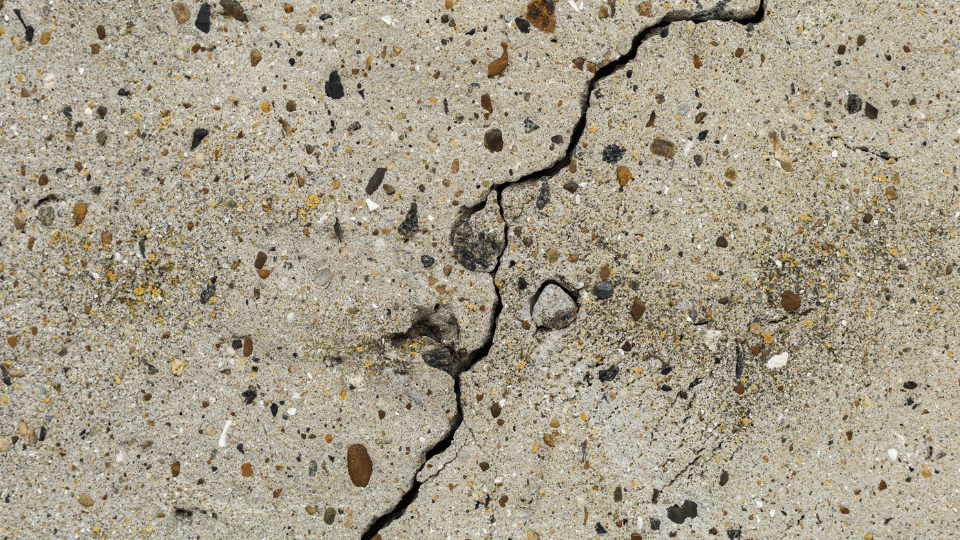
Common Types of Concrete Defects
Types of Concrete Defects: Cracking
Cracks are the most common concrete defect and can vary in severity.
- Hairline cracks – Often cosmetic, caused by shrinkage during curing
- Settlement cracks – Result from ground movement beneath the structure
- Structural cracks – Wider, progressive cracks that may indicate load or design issues
Not all cracks are serious—but some are early warning signs of deeper structural problems.
Types of Concrete Defects: Spalling
Spalling occurs when the surface of the concrete begins to flake, chip, or break away.
- Often caused by moisture ingress and reinforcement corrosion
- Common in exposed environments (e.g. car parks, balconies, facades)
- Can worsen quickly if left untreated
Types of Concrete Defects: Corrosion of Reinforcement
Concrete structures often contain steel reinforcement (rebar). When moisture and oxygen reach this steel:
- It begins to rust and expand
- Internal pressure causes cracking and spalling
- Structural integrity can be compromised over time
Types of Concrete Defects: Honeycombing
Honeycombing appears as voids or gaps in the concrete surface.
- Caused by poor compaction during pouring
- Leaves concrete weak and more vulnerable to water penetration
- Often found in structural elements like columns and beams
Types of Concrete Defects: Delamination
Delamination is when layers of concrete begin to separate internally.
- Not always visible from the surface
- Can lead to sudden surface failure
- Often detected through professional inspection methods
Types of Concrete Defects: Efflorescence
Efflorescence shows up as white, powdery deposits on the surface.
- Caused by water drawing salts to the surface
- Typically cosmetic—but may indicate ongoing moisture issues
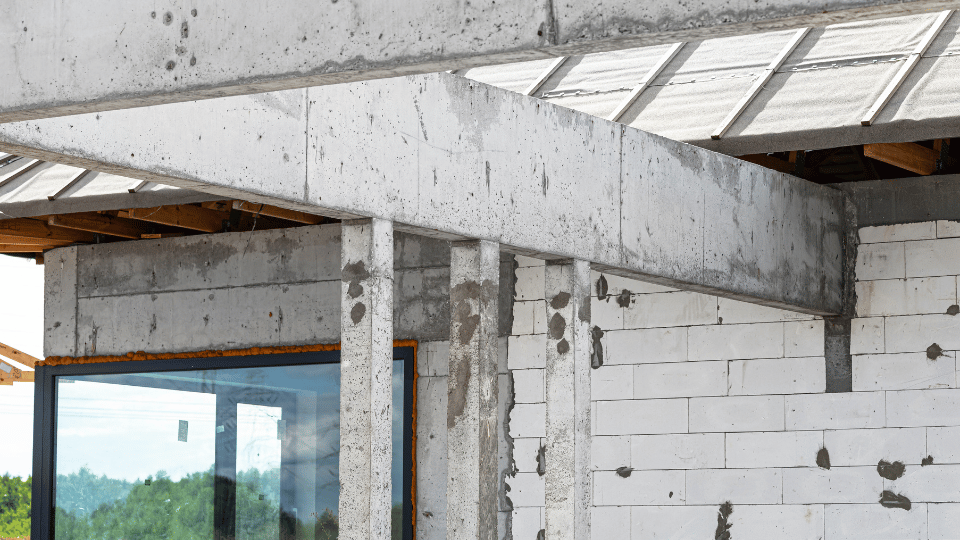
What Causes Concrete Defects?
Concrete defects don’t just happen. They’re usually the result of one or more underlying factors:
- Poor construction practices (e.g. incorrect mixing, inadequate curing)
- Environmental exposure (moisture, temperature changes, chemicals)
- Structural movement (settlement, load stress)
- Water ingress leading to reinforcement corrosion
In many cases, defects develop gradually, making early identification critical.
Why Concrete Defects Shouldn’t Be Ignored
Ignoring concrete defects can lead to:
- Safety risks for occupants and users
- Escalating repair costs if issues worsen over time
- Structural damage that becomes more complex to fix
- Compliance and liability risks for property owners and managers
What starts as a small crack or surface issue can quickly become a major structural concern if left unchecked.
When Should You Get a Concrete Inspection?
You should consider a professional inspection if you notice:
- Visible cracking or spalling
- Signs of water damage or corrosion
- Uneven surfaces or structural movement
- Deterioration in exposed areas (e.g. balconies, facades, car parks)
It’s also recommended:
- Before purchasing a property
- As part of planned maintenance
- When managing aging buildings or large portfolios
A professional concrete defect inspection helps identify the root cause of issues and provides clear recommendations for repair or remediation.
How Concrete Defects Are Assessed
A comprehensive inspection typically includes:
- Visual assessment of visible defects
- Non-destructive testing methods to assess internal condition
- Identification of underlying causes
- A detailed report outlining recommended actions
At PM+, we combine technical expertise with advanced inspection techniques to deliver clear, actionable insights—helping you make informed decisions about your property.
Need a Concrete Defect Inspection?
If you’ve noticed signs of deterioration or want peace of mind, a professional assessment is the best place to start.
Our team provides expert concrete defect detection and inspection services, helping property owners, managers, and developers identify issues early and avoid costly repairs.
Are all concrete cracks serious?
No—many cracks are cosmetic. However, wider or growing cracks may indicate structural issues and should be assessed.
What is the most common concrete defect?
Cracking is the most common, followed by spalling and reinforcement corrosion.
Can concrete defects be repaired?
Yes—many defects can be repaired effectively if identified early. The right approach depends on the cause and severity.
How do I know if I need an inspection?
If you’re unsure about visible damage or managing an older structure, it’s best to get a professional assessment to avoid risk.